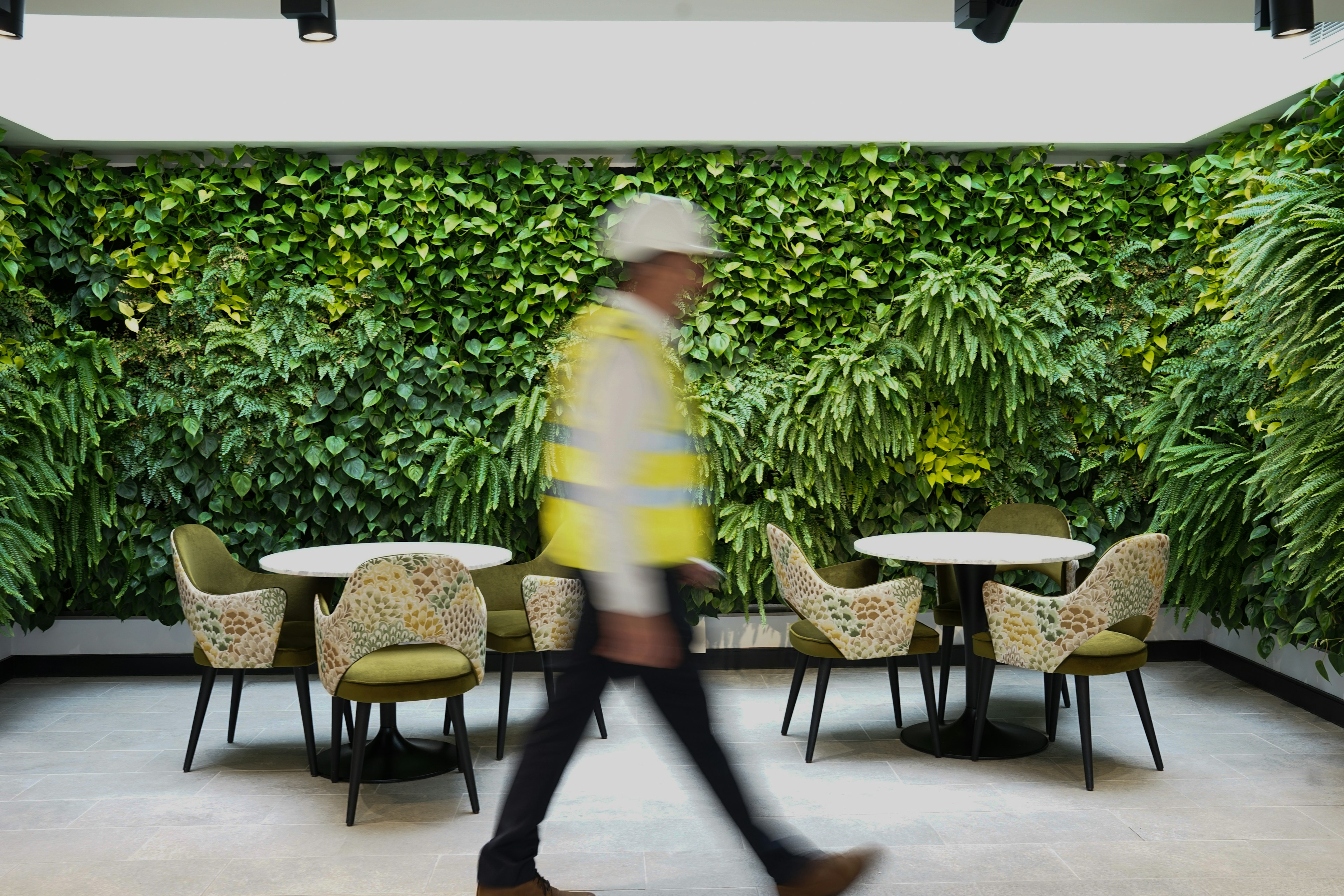
When we talk about placemaking, the conversation often gravitates towards architecture, public realm design, and programming. Yet some of the most powerful forces shaping how people feel in a place are largely invisible.
Communities thrive when people feel comfortable, safe, and supported in their environments. Air that's fresh, spaces that aren't too noisy, temperatures that feel "just right," and infrastructure that works reliably. These aren't luxuries. They're prerequisites for social interaction, wellbeing, and trust in a place.
Poorly designed building systems can undermine even the most beautiful developments. Overheated apartments, noisy mechanical plant, or inadequate ventilation in shared spaces can discourage use, reduce duration of stay, and erode a sense of belonging.
The Power of Thoughtful Design
Conversely, thoughtful MEP design can encourage people to gather, linger, and return, key ingredients of successful placemaking.
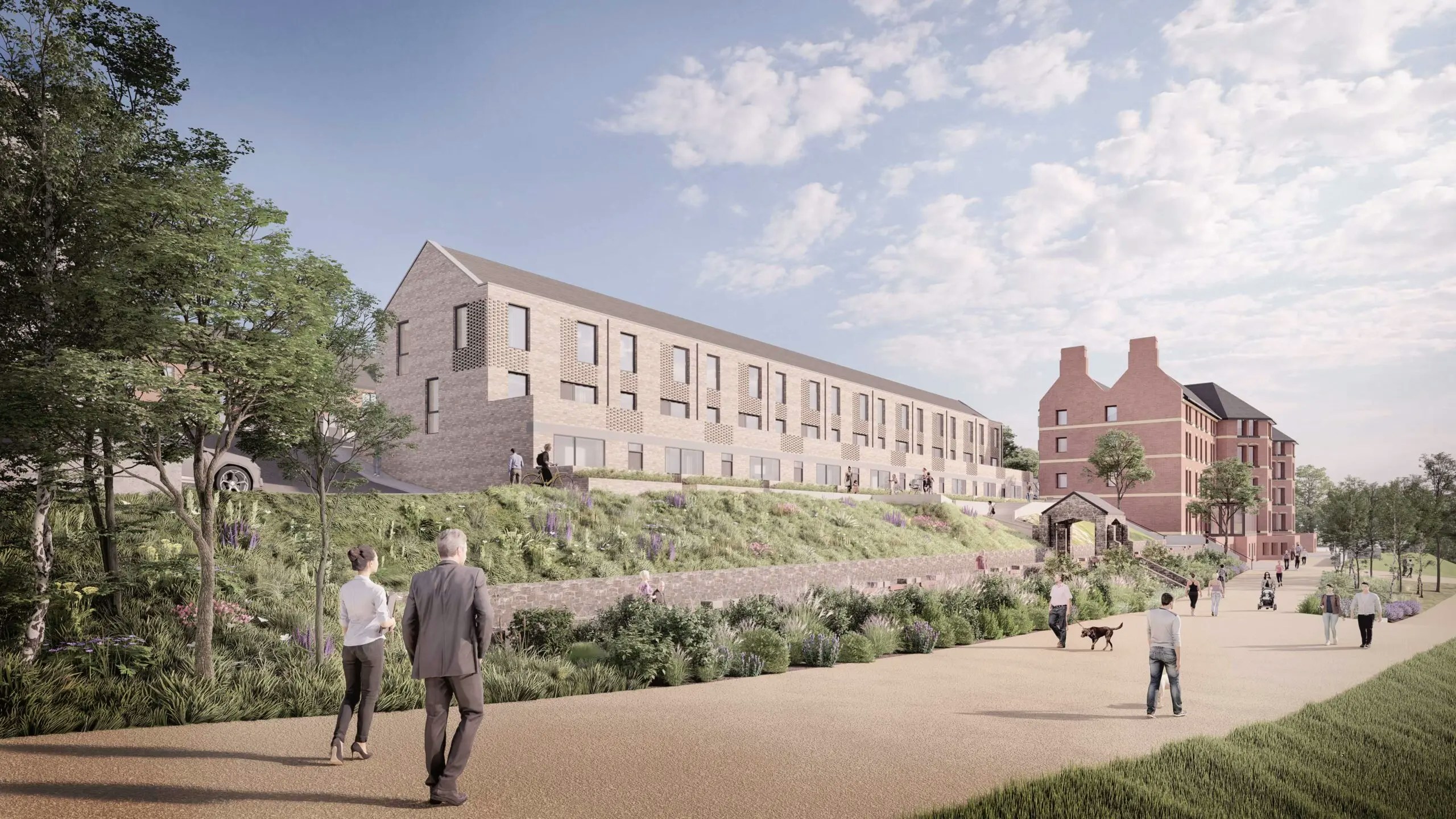
Community integration doesn't happen at the end of a project; it's shaped from the earliest design decisions. This is where MEP and sustainability teams can add disproportionate value.
By engaging early, engineers can help translate community values (health, equity, affordability, environmental responsibility) into tangible system strategies. For example:
Air Quality: Good indoor air quality is foundational to physical and cognitive health. High-performance ventilation, effective filtration, and demand-controlled systems can reduce pollutants and support wellbeing in homes, schools, workplaces, and shared amenities.
Acoustics: Noise is a frequent, but often overlooked source of stress and dissatisfaction. Thoughtful mechanical system selection, plant placement, and vibration control can dramatically improve acoustic comfort, supporting quieter homes and more usable communal areas.
Thermal Comfort: Thermal comfort isn't just about temperature, it's about stability, responsiveness, and personal control. Well-designed systems help people feel comfortable year-round, supporting productivity, rest, and social interaction.
Equitable comfort: Designing systems that provide consistent thermal comfort across all dwellings and public spaces, not just premium areas.
Accessibility and inclusivity: Supporting diverse needs through adaptable lighting, acoustic control, and intuitive building services.
Local identity: Enabling community hubs, markets, and flexible spaces with infrastructure that supports varied uses over time.
Healthy, Future-Ready Environments: Health is one of the clearest links between building systems and community wellbeing. MEP design directly affects how people experience spaces day to day.
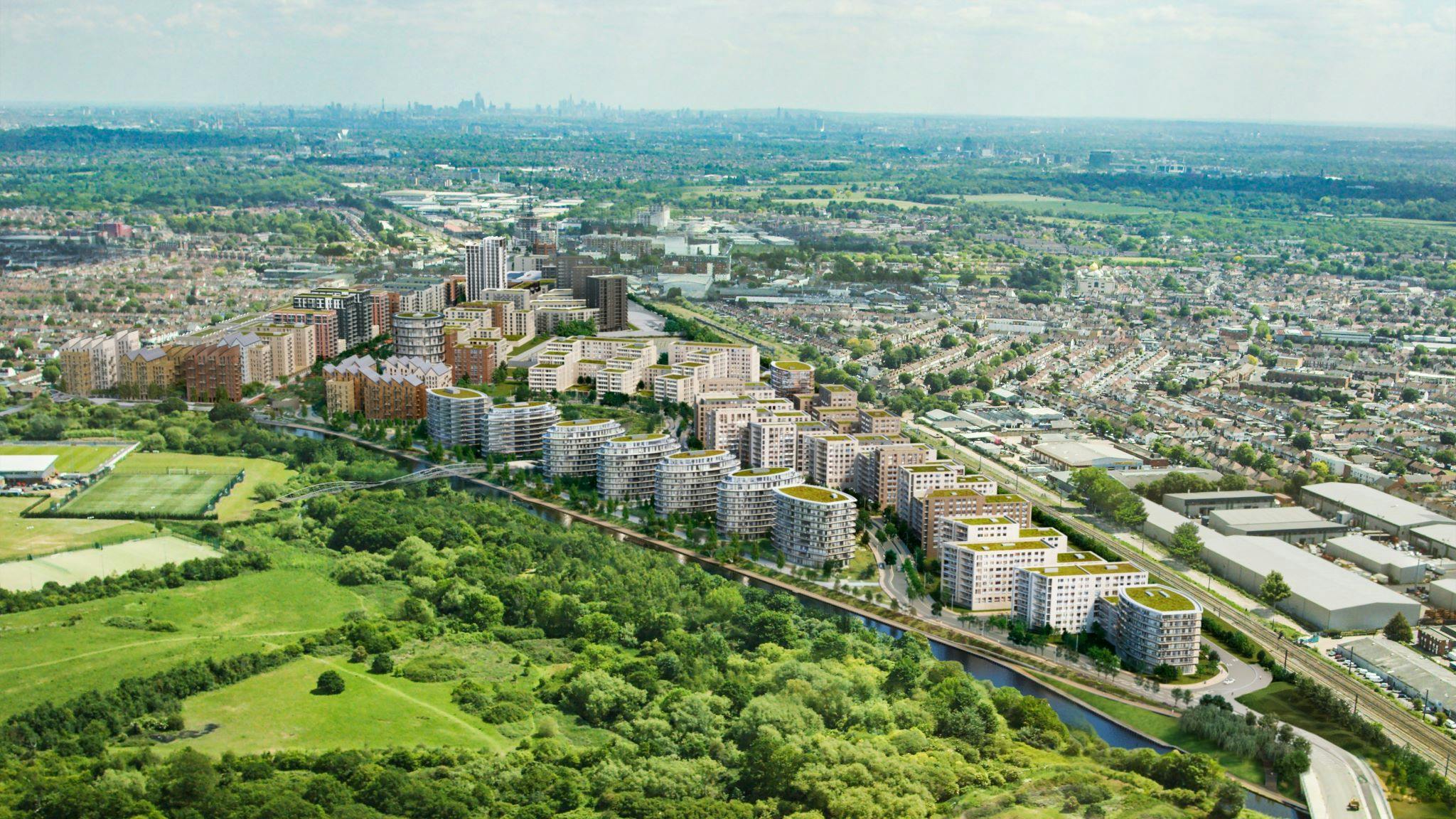
The Green Quarter Phase 3: MEP Design Supporting Wellbeing & Placemaking
Client: Berkeley Group
At The Green Quarter, community, wellbeing and long-term sustainability are central to the design vision. MEP engineering plays a key role in translating this vision into everyday comfort, efficiency and quality of life for residents.
A fabric-first approach, incorporating a well-insulated and airtight building envelope, minimises heat loss and creates stable indoor environments year-round. This is supported by a central district heating network, delivering low-temperature hot water efficiently across the development via inverter-driven circulation pumps. Within apartments, thermostatically controlled underfloor heating provides consistent, comfortable warmth while reducing energy demand and carbon emissions. Domestic hot water is generated instantaneously through heat interface units (HIUs), improving efficiency and reliability while removing the need for storage tanks within homes. This approach enhances occupant comfort, simplifies maintenance and supports long-term operational performance.
Communal areas are illuminated using ultra-low energy LED lighting with presence detection, ensuring shared spaces feel safe, welcoming and accessible at all times, while minimising energy use. Within apartments, manually controlled LED lighting gives residents full autonomy over their living environment, reinforcing a sense of ownership and comfort. Also, within the apartments, lamp colour temperatures have been carefully selected to create a warm, welcoming atmosphere, supporting comfort and wellbeing within the home.
Renewable energy is delivered via rooftop solar PV systems, delivering electricity into the landlord’s central plant. This further reduces the development’s carbon footprint and supports Berkeley Homes’ wider sustainability objectives. Placemaking extends outdoors through the integration of an efficient irrigation system and rainwater harvesting, minimising potable water use while supporting the development’s landscaped areas. These green spaces play a vital role in encouraging outdoor activity, social interaction and connection with nature, key contributors to resident wellbeing and a strong community identity.
The future of placemaking is increasingly data-driven. Tools like Building Information Modelling (BIM), energy modelling, and digital twins are changing how we plan, design, and operate communities.
Planning with Insight: Energy modelling can inform decisions about shared amenities, operational costs, and carbon impacts long before construction begins, helping developers balance affordability, sustainability, and comfort.
Designing for Real Use: BIM enables coordination across disciplines, reducing clashes and ensuring that community-focused spaces are properly supported by building services from day one.
Adapting Over Time: Digital twins and performance monitoring allow developments to evolve with their communities. By understanding how spaces are actually used, operators can fine-tune systems to improve comfort, reduce energy use, and respond to changing needs.
These tools empower developers and designers to move beyond assumptions, creating places that genuinely support the people who use them.
Placemaking isn't only about what we see. It's about how spaces make us feel and how well they support everyday life. MEP and energy design sit at the heart of this experience, shaping health, comfort, and resilience in ways that directly influence community integration.
When engineers are brought into the placemaking conversation early, building systems become more than technical necessities. They become quiet collaborators in creating places that are healthier, more inclusive, and better equipped for the future.
Because great communities aren't just built. They're engineered by people, for people.
Andy Chapman is a highly experienced Electrical Design Engineer with over 30 years’ experience delivering complex building services solutions across the UK and throughout eastern and western Europe.
His background spans the full lifecycle of M&E projects, combining strong technical design capability with hands-on site experience, project planning and delivery management. Andy has worked across a diverse range of sectors including retail, commercial offices, critical facilities, industrial and logistics developments, luxury residential schemes and London Underground environments.
Known for his practical approach and calm leadership style, Andy brings reliability, flexibility and a solutions-focused mindset to every project. Equally comfortable leading multidisciplinary teams or working independently, he consistently adds value in challenging environments where quality, safety and performance are paramount.